
Duct Sanitizing: What It Is and When It Helps
Duct sanitizing is an optional treatment for interior HVAC surfaces after cleaning; it may be considered when an inspection finds a specific contamination concern. Call us to arrange an inspection so we can check the affected ducts and system before recommending a next step.
Need help now? (469) 369-0748
What Duct Sanitizing Does Inside Your HVAC System
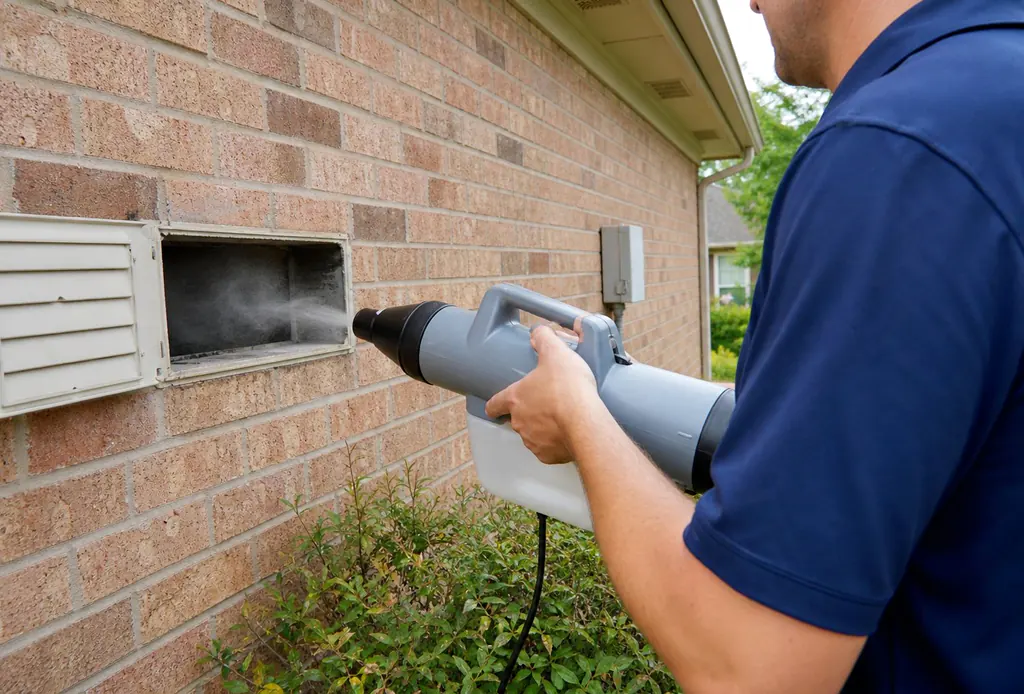
Duct sanitizing means applying a treatment to eligible HVAC surfaces to address certain contaminants after the system has been inspected and, where needed, physically cleaned. It is different from removing dust, debris, or other material from ducts: a treatment cannot do that job on its own.
The word “sanitizing” can sound like a routine extra step, but it is not necessary for every home or every duct-cleaning visit. The U.S. Environmental Protection Agency says duct cleaning may make sense when there is visible mold inside hard ducts or other system components, an insect or rodent infestation, or excessive dust and debris coming from registers. The EPA also notes that duct cleaning has not been shown to prevent health problems. Read the EPA’s guidance on duct cleaning before treating it as a general fix for indoor air concerns.
A suitable next step depends on what is actually inside the system and what caused it. Start with an inspection, then address the source of moisture or contamination before considering a treatment. Our duct sanitizing service is priced from $65.
When Duct Sanitizing May Fit the Problem
Look at the condition of the system, not just a stale smell or a layer of household dust. These signs point to different next steps, and not all of them call for sanitizing.
- Visible growth inside a duct or HVAC component — Have the affected area inspected and identify how moisture is getting there. For suspected mold in the HVAC system, do not keep circulating air through the home; correct the moisture source and arrange appropriate cleaning before putting the system back into use.
- Insects or rodents in ductwork — The infestation and any debris need attention first. A treatment alone does not remove the animals, nesting material, or damaged duct sections.
- Heavy dust or debris coming from registers — Check whether debris is coming from the duct interior or another system component, and whether the filter is dirty or poorly seated. Physical cleaning may address the material; sanitizing should not be used as a substitute.
- A persistent odor without visible contamination — An odor by itself does not prove that ducts need sanitizing. Check the filter and look for moisture or buildup around accessible HVAC components; ask for an inspection if the odor continues.
Choose Between Duct Cleaning and Duct Sanitizing
Cleaning and sanitizing answer different questions. The right choice comes from the condition found during inspection, rather than automatically adding a treatment to every cleaning.
Choose physical cleaning for removable debris
When dust, debris, or contamination is present, the first question is how to remove it from the ducts and relevant HVAC components. Ask which areas will be cleaned and how the work will keep debris from spreading through the home.
Consider sanitizing only for a specific reason
A treatment may be considered after the affected surfaces have been cleaned and the material or concern is identified. Ask what product is proposed, which surfaces it can be used on, and what the product label says about application and re-entry.
Fix moisture before addressing mold concerns
If visible mold is found, treating the surface without correcting the moisture source can leave the underlying problem in place. The EPA advises fixing the water problem and taking care with mold in HVAC systems; do not run the system in a way that spreads contamination through the home.
Need help now? (469) 369-0748
Follow These Checks Before Duct Sanitizing
Use this sequence to narrow down what the system needs. Leave sealed equipment and electrical components to an HVAC professional.
- Note when the concern appears — Write down whether you notice dust, odor, or visible growth at a particular register or after the system runs. Check whether the issue is isolated to one room or appears throughout the home.
- Look at the air filter — With the system off, check the filter for heavy loading, damage, or a poor fit. Replace it if needed with the size and type specified for your system, then make sure its edges sit correctly in the slot.
- Inspect accessible registers — Use a flashlight to look at the register opening without reaching deep into the duct or disturbing suspected mold or debris. Note whether material is sitting on the grille or appears to be coming out when the system runs.
- Check for an obvious moisture source — Look around accessible indoor equipment and nearby surfaces for water, dampness, or staining. Do not open equipment panels; report any moisture to an HVAC professional so its source can be identified.
- Check the return grille and filter slot — Dust gathered near a return grille or a filter that does not fit can point to a filtration or fit issue rather than a need for sanitizing. Note gaps or visible buildup without removing duct connections.
- Ask what the inspection found — Request the location and type of material observed, which parts of the HVAC system are affected, and whether physical cleaning is needed before any treatment. A clear explanation should connect the proposed work to a specific finding.
- Confirm the treatment details — Before work begins, ask which surfaces will receive the product and what the label says about use and ventilation. Check that the plan does not skip debris removal or leave a moisture source unresolved.
- Recheck the original signs — After the work, look again at the register or area that prompted your concern and ask what was cleaned or treated. If moisture, visible growth, or debris remains, arrange follow-up rather than assuming another application is the answer.
Avoid Treating Dust, Odor, or Mold Without Finding the Cause
A sanitizer applied over dust does not remove that dust. Treating a damp surface without fixing the moisture source can also leave the condition that allowed growth to appear. Ask for the affected area to be identified and the physical cleaning and moisture-control steps to be explained before agreeing to treatment.
A treatment is not a fix for a damaged, disconnected, or poorly sealed duct. If you see a gap, crushed duct, or loose connection, have an HVAC professional inspect it rather than trying to reach into the duct or patch a hidden section yourself. For a persistent HVAC odor, visible growth, or debris continuing to come from the registers, call us for an inspection or contact us with the symptoms you have observed.
What to Check After Duct Cleaning or Sanitizing
Use the same locations you checked before the work so you can compare what changed. If the original sign remains, report it rather than scheduling another treatment without a new inspection.
- Ask for the work area — Confirm which ducts and HVAC components were cleaned or treated, and whether the original concern was found there. This helps distinguish work on the source from work on a nearby, unaffected surface.
- Check the filter and return grille — Make sure the filter is seated correctly and the return grille is not blocked. These checks help identify basic airflow or filtration issues that treatment does not correct.
- Watch for the same sign — Notice whether visible debris returns at the same register or whether dampness or odor persists. A repeated sign may mean the cause was not addressed or needs a separate HVAC diagnosis.
- Keep the cause in view — If moisture or a duct defect was identified, confirm that it has been corrected or assigned a repair. Sanitizing alone does not repair a leak, replace damaged ductwork, or correct an equipment problem.
Need help now? (469) 369-0748
Choose Timing and Budget Based on the Finding
There is no season when every home needs duct sanitizing. Schedule an inspection when you find a specific concern, such as visible contamination, an infestation, or excessive debris coming from registers; do not wait for a seasonal tune-up if there is an active moisture or contamination issue.
For general HVAC upkeep, tune-ups are commonly planned in spring and fall, ahead of heavy summer cooling or winter heating use. That timing is different from deciding whether ducts need cleaning or sanitizing. For a persistent problem, an inspection can help identify whether the issue is in the ducts, filter, or another part of the system.
Our inspection for a heating or cooling problem is $29, and duct sanitizing starts from $65. The inspection and treatment are separate charges, so ask what the inspection finds and what work is being proposed before proceeding.
Frequently asked questions
What is air duct and vent cleaning?
Air duct and vent cleaning physically removes dust and debris from ductwork and relevant HVAC components; sanitizing is a separate treatment that may be considered after inspection and cleaning. The EPA recommends considering duct cleaning when there is visible mold in hard ducts or system parts, an insect or rodent infestation, or excessive dust and debris coming from registers.
What time of year is best for duct sanitizing?
There is no best season for every home because sanitizing depends on a specific finding, not the calendar. Arrange an inspection when you see a concern; spring and fall tune-ups are for routine heating and cooling maintenance, not an automatic reason to sanitize ducts.
Will my house be dusty after duct cleaning?
Dust can be disturbed if debris is not properly contained during cleaning, so ask how the work will keep loosened material from spreading into rooms. Afterward, check the registers and the area that first showed the problem; report any visible debris that remains or returns.
How much does duct work cleaning cost?
Duct sanitizing starts from $65, while the scope and price of physical duct cleaning depend on the work identified during inspection. Our inspection for a heating or cooling problem is $29; ask which service is being priced before work begins.
Get an HVAC Inspection
Call (469) 369-0748 to arrange a $29 inspection for a heating or cooling problem.