
Blown-In Insulation vs. Batts
Blown-in insulation vs. batts comes down to your attic layout: loose fill suits irregular spaces, while batts fit open, evenly spaced bays. Before adding either, check existing insulation, air leaks, and moisture so the new layer addresses the real problem.
Need help now? (469) 369-0748
Blown-In Insulation vs. Batts: What Changes in Your Attic?
Both options add thermal resistance between your living space and the attic, but they install differently. Blown-in insulation is loose material spread across the attic floor; batts are pre-cut or roll-shaped pieces placed between framing. The right choice depends on whether your attic is open and regular or crowded with framing, wiring, pipes, and other obstacles.
Blown-in insulation fills irregular areas
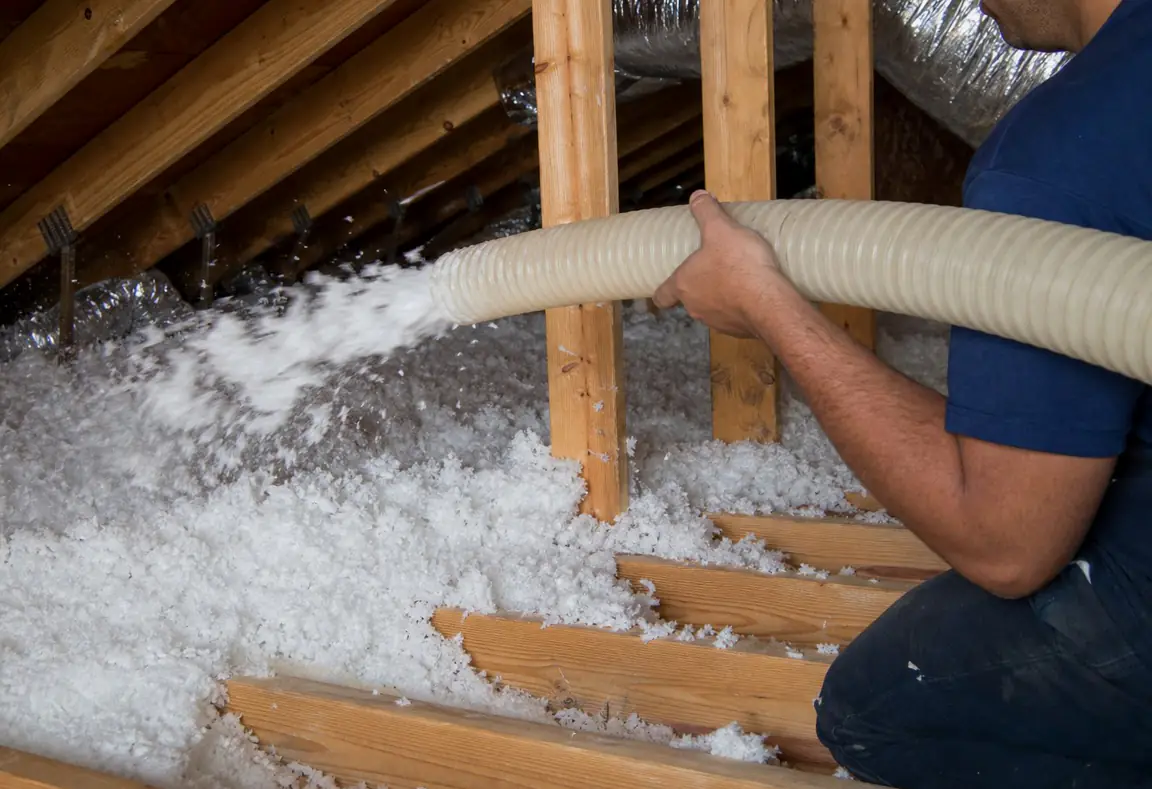
Loose material can cover around joists and obstacles more continuously than pieces that need to be cut to fit. It works best when the attic floor is accessible and the installer can spread the material to an even depth.
Batts fit clear, regular bays
Batts are easier to position in open spaces between joists or rafters with consistent spacing. They need to fit snugly without being compressed, folded, or left with gaps at the edges.
Neither fixes air leaks by itself
Insulation slows heat transfer, but gaps that let air move through the ceiling plane need separate attention. Check accessible openings and ductwork before covering them with a new layer.
Choose Insulation by the Shape and Condition of Your Attic
Use the attic’s layout and condition—not just the insulation type already present—to guide the decision. These checks can help you describe the job accurately before work begins.
- Consider blown-in insulation — Choose loose fill when the attic has irregular corners, many obstructions, or existing insulation that leaves uneven areas. It can be spread across the surface, but needs a clear path for even coverage.
- Consider batts — Batts can suit an attic with open, consistently sized bays and few obstructions. Check that each piece can lie flat and meet its neighbors without gaps or compression.
- Pause before covering a problem — Wet or visibly damaged insulation, signs of a roof leak, or exposed gaps call for investigation first. Adding a layer over the issue can hide its source rather than resolve it.
- Gather useful measurements — Note the current insulation depth at several points, the approximate attic area, and whether the framing bays are regular. Photos taken from a safe access point can also show where coverage changes.
Set an Attic R-Value Target Before Comparing Materials
R-value measures resistance to heat flow; a product’s thickness alone does not tell you whether the attic has enough insulation. ENERGY STAR identifies North Texas as climate zone 3 and provides recommended home insulation R-values by climate zone. Compare the target for your home with the existing insulation and the product’s labeled R-value.
Ask how the proposed layer will bring the attic toward its target, including whether existing insulation will remain in place. A deeper layer is not useful if it is packed down, leaves bare strips, or blocks attic ventilation. A clear target also makes estimates for different materials easier to compare.
Need help now? (469) 369-0748
Check These Eight Things Before Adding Attic Insulation
Keep the inspection to areas you can reach safely. Do not step onto ceiling drywall or move through an attic without stable footing; insulation can hide joists, wiring, and other hazards.
- Look from the access point — Use a flashlight to scan for wet areas, damaged materials, and visibly uneven coverage. Check whether the attic access itself is safe before going farther.
- Measure existing depth — Use a ruler or tape measure at several visible locations. Compare the readings; large changes may indicate gaps or areas that need closer inspection.
- Note the framing and obstacles — Look for regularly spaced, open bays or a crowded layout with pipes, wiring, and framing interruptions. This helps show whether batts can fit cleanly or loose fill may cover the shape more evenly.
- Check for moisture first — Look for damp or stained material and signs of a roof leak. Find and address the moisture source before covering the area with new insulation.
- Check accessible air gaps — Look around the attic hatch and visible ceiling openings for gaps. Do not handle wiring or seal around heat-producing fixtures without following the fixture’s clearance requirements.
- Set the R-value goal — Use the climate-zone recommendation and the existing depth to frame the target. Check product labels so you compare the R-value delivered by the proposed material, not just its appearance.
- Choose a material and installation method — Match the material to the attic’s layout and any insulation already there. Ask how the installer will keep coverage even and maintain clearance around fixtures and ventilation paths.
- Check the finished coverage — After installation, look for consistent depth and uncovered strips from a safe position. Confirm that attic vents remain open and the access hatch can close properly.
Avoid Gaps, Compression, and Hidden Moisture Problems
Batts lose some of their intended performance when squeezed into a space that is too small, while gaps between pieces leave parts of the ceiling less protected. With blown-in material, uneven depth can leave thin spots; obstructions and edges need attention rather than a quick pass over the open center.
Do not bury attic vents, heat-producing fixtures, or electrical components under new material. Keep the clearances required by the fixture maker, and leave access to equipment that needs inspection. If you find wet insulation, a roof leak, or unsafe wiring, stop and have the underlying issue addressed before adding insulation.
Dallas Heat Makes Even Attic Coverage Worth Checking
The National Weather Service’s 1991–2020 normals put the typical July high at DFW Airport at about 96°F. That long, hot summer can keep central air conditioning working through extended cooling cycles, so gaps or thin spots in attic insulation are worth checking before peak heat.
For a broader view of seasonal heating and cooling demands, the National Weather Service’s DFW climate normals show the local pattern. Insulation is only one part of the attic’s performance: air leaks, duct condition, ventilation, and the system itself can also affect comfort. If the house still has uneven heating or cooling after attic coverage is addressed, our blown-in insulation service page explains the work we offer.
Need help now? (469) 369-0748
Compare Blown-In Insulation Cost by Scope, Not Just Material
A useful comparison identifies the attic area, the existing insulation condition, the target R-value, and what preparation is included. Those details affect how much material is needed and whether gaps or moisture issues must be handled first. Our blown-in insulation starts at $0.89 per square foot; the final scope depends on the work needed.
For a closer look at how estimates are structured, read our guide to blown-in insulation cost. When you compare proposals, check that each one describes the same area, target, material, and coverage plan. That makes it easier to see whether the lower number also includes the work your attic needs.
Frequently asked questions
Can blown-in insulation go over existing batts?
It can be possible when the existing batts are dry, in usable condition, and not hiding an unresolved leak or other problem. Check for gaps and compressed areas first, then confirm that the added material will reach the intended R-value without blocking vents or required clearances.
Which is better for an attic, blown-in insulation or batts?
Neither is best for every attic. Blown-in insulation can suit irregular spaces and obstacles, while batts can fit open bays with consistent spacing; the attic’s layout and the quality of the fit matter more than the label.
Does blown-in insulation settle over time?
Some loose-fill products can settle, so check the product label for its settled R-value and installation depth. Ask how the specified depth will be measured and whether it is intended to provide the target after settling.
What should I compare when I ask about blown-in insulation cost?
Compare the attic area, existing insulation condition, target R-value, material, and preparation included in the work. Estimates that leave out those details may describe different scopes, even when the quoted price is easy to compare.
Get a Clear Attic Insulation Plan
Call Dallas 24 Hour HVAC at (469) 369-0748 to arrange a $29 inspection for a heating or cooling problem and discuss the attic conditions you found.